
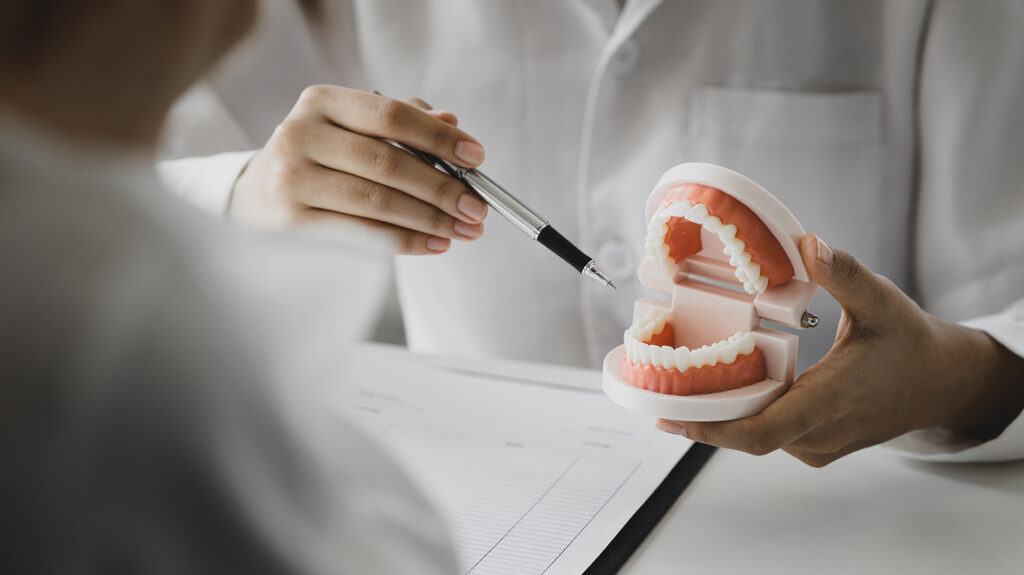
Orthodontic treatment options in Tracy, CA, offer a variety of ways to improve smiles gently and effectively. Patients can choose from traditional braces, clear aligners, and other modern approaches designed to fit different lifestyles and comfort levels. The best orthodontic treatment depends on individual needs, but access to expert care in Tracy ensures personalized solutions for every smile.
Many treatments today focus on comfort and convenience, making it easier for patients to feel confident throughout the process. Whether someone is a teen or an adult, there are options that blend medical expertise with patient-friendly technology. This balance helps people maintain their daily routines without interruption.
Finding the right orthodontist in Tracy means getting guidance on preventive care and treatments that promote long-term dental health. A simple consultation can clarify which option suits each person’s specific alignment goals and lifestyle. It’s a step toward a healthier, more comfortable smile.
Understanding Your Orthodontic Needs
Every smile has unique characteristics and challenges. Recognizing these details helps in choosing the right orthodontic approach that fits individual needs and goals.
Who Can Benefit From Orthodontics
Orthodontic treatment is not just for children or teenagers. Adults with misaligned teeth, bite problems, or jaw discomfort can also benefit significantly.
Most orthodontists evaluate factors like tooth spacing, crowding, and jaw alignment to determine treatment suitability. They consider both cosmetic goals and functional concerns such as chewing or speaking issues.
People experiencing discomfort from uneven bites, difficulty cleaning crowded teeth, or those wanting to improve the overall appearance of their smile often find orthodontics helpful. Advances in treatment methods mean fewer lifestyle disruptions for patients of all ages.
Common Alignment Issues
Misaligned teeth come in various forms, including crowding, spacing, overbites, underbites, and crossbites. Each affects oral health and daily function differently.
Crowding occurs when there isn’t enough space for teeth to line up properly, leading to overlaps or rotations. Spacing refers to gaps between teeth caused by missing or small teeth.
Bites—like overbite, where upper front teeth extend over lower teeth, or underbite, where lower teeth protrude—can cause jaw strain and uneven wear. Crossbite means some upper teeth sit inside lower teeth, leading to chewing issues or jaw pain.
Identifying the specific alignment issue helps tailor treatment options, ensuring they address both appearance and comfort.
How Orthodontics Improve Oral Health
Straight teeth support better oral hygiene by reducing hard-to-clean spots. This decreases risks of cavities, gum disease, and plaque buildup.
Correcting bite problems prevents uneven tooth wear and jaw discomfort. It also enhances chewing efficiency and speech clarity.
Orthodontic treatment can reduce strain on jaw joints, potentially relieving headaches or jaw pain. Moreover, a balanced bite distributes biting forces evenly, preserving teeth longer.
Well-aligned teeth also improve confidence, encouraging consistent oral care habits that benefit overall health.
Types of Orthodontic Treatments in Tracy
Orthodontic care in Tracy offers a range of options tailored to different needs, lifestyles, and budgets. Each treatment method varies in appearance, treatment time, and how it feels during daily life.
Traditional Braces
Traditional braces remain a popular choice, especially for complex tooth movement. They consist of metal brackets bonded to teeth and connected with wires that gently shift teeth into place over time.
These braces are highly effective for aligning severe misalignments and bite issues. Adjustments typically happen every 4-6 weeks, where wires are tightened to guide teeth precisely.
Though visible, they are durable and can handle all types of orthodontic problems. Many patients appreciate their reliability and the fact that treatment is closely managed by the orthodontist throughout. Oral hygiene may require extra care since food can get trapped around brackets.
Clear Aligners
Clear aligners, like Invisalign, are removable plastic trays designed to straighten teeth discreetly. They are custom-made for each patient and replaced every 1-2 weeks to continue gradual tooth movement.
Aligners offer the advantage of being nearly invisible, which appeals to adults and teens seeking a subtle solution. They also allow for easier brushing and flossing since they can be taken out at mealtimes.
Best suited for mild to moderate orthodontic issues, clear aligners often require strong patient commitment to wear them 20-22 hours daily. Regular follow-up visits ensure the treatment stays on track. Many find them comfortable since there are no brackets or wires to irritate cheeks.
Ceramic Braces
Ceramic braces function like traditional metal braces but use clear or tooth-colored brackets to blend with teeth. This makes them less noticeable while providing the same control over tooth alignment.
They are a popular choice for those who want effective treatment but prefer a more aesthetic option. Ceramic brackets are smooth and cause less irritation to gums and lips compared to metal.
These braces may require more careful maintenance as ceramic components can stain from coffee or tea without proper cleaning. They tend to be slightly more fragile and sometimes cost a bit more than metal braces.
Comparison Table
| Feature | Traditional Braces | Clear Aligners | Ceramic Braces |
|---|---|---|---|
| Visibility | High (metal brackets) | Low (clear plastic) | Medium (tooth-colored) |
| Comfort | Can cause irritation | Smooth, removable | Less irritation than metal |
| Suitability | Severe to mild cases | Mild to moderate cases | Mild to moderate cases |
| Oral Hygiene | Extra care needed | Easier with removability | Requires careful cleaning |
| Cost | Generally lowest | Mid to high | Slightly higher than metal |
Discussing these options with an orthodontist in Tracy can help determine the best fit for individual needs and lifestyle.
Advanced Techniques and Modern Comforts
Modern orthodontics in Tracy, CA, focuses on precision and patient comfort. Technology now allows for customized treatment plans and braces designs that minimize discomfort and reduce treatment time.
Digital Treatment Planning
Digital treatment planning uses 3D imaging and computer software to create detailed maps of the teeth and jaw. This technology helps orthodontists design precise treatment paths tailored to individual needs.
Patients benefit from seeing a virtual model of their expected results before treatment begins. It allows adjustments to be made early, improving accuracy. Digital scans replace messy molds, making initial visits faster and more comfortable.
This technique also helps track progress closely throughout treatment. It reduces surprises and keeps the plan on target, supporting a smoother, more predictable experience for patients.
Self-Ligating Braces
Self-ligating braces use a specialized clip to hold the archwire instead of traditional elastic bands. This reduces friction and allows teeth to move more freely.
Patients often report less discomfort and fewer adjustments compared to regular braces. The clips also reduce plaque buildup, helping maintain better oral hygiene during treatment.
These braces offer shorter appointment times and can sometimes speed up treatment. They come in metal and clear options, giving choices for both function and appearance. Self-ligating braces provide a balance of efficiency and comfort for many patients.
Treatment Planning and the Consultation Process
Before starting any orthodontic treatment, a clear plan based on detailed evaluation and patient goals is essential. Understanding what happens during the initial consultation helps patients feel more comfortable and informed about their options.
Personalized Orthodontic Evaluations
Each patient receives a tailored assessment that looks beyond just crooked teeth. The orthodontist examines bite alignment, jaw structure, and overall oral health to create a treatment plan suited to individual needs.
This evaluation often includes X-rays, photos, and digital scans to get a complete picture of the mouth. These tools help in identifying issues that may not be visible in a regular exam, such as impacted teeth or bone irregularities.
The orthodontist also considers lifestyle factors and aesthetic preferences. For example, they might recommend clear aligners if the patient prefers a discreet option, or traditional braces if more complex movement is needed.
What Happens During Your First Visit
The first visit focuses on gathering information and answering questions. The patient’s dental history is reviewed, and a physical examination is performed, checking teeth, gums, and bite function.
Diagnostic records like X-rays and photos are taken to support the evaluation. Next, the orthodontist discusses treatment goals and explains different options, including timelines and expected results.
Patients learn about costs, insurance coverage, and payment plans. This is a great time to ask about the comfort of devices, possible discomfort, and daily care routines. The goal is to ensure the patient feels confident and ready before treatment begins.
Life During Orthodontic Treatment
Adjusting to orthodontic devices involves practical changes to daily habits and care routines. Maintaining appliances and managing food choices are key to ensuring treatment stays on track without unnecessary discomfort or setbacks.
Caring for Your Appliances
Cleaning braces or aligners thoroughly is essential to prevent plaque buildup and tooth decay. Using a soft-bristled toothbrush and fluoride toothpaste, patients should brush after every meal, paying close attention to brackets and wires.
For those with removable aligners, rinsing them daily and gently brushing with a clear, mild soap helps keep them fresh. Avoid toothpaste on aligners as it can scratch the plastic.
Regular flossing or using interdental brushes can reach food particles stuck in tricky spots. If any brackets or wires feel loose or cause irritation, contacting the orthodontist promptly is important to avoid treatment delays.
Diet and Lifestyle Tips
Certain foods can damage orthodontic appliances or prolong treatment. Hard items like nuts, popcorn, and ice should be avoided to prevent broken wires or brackets. Sticky sweets and gum can also cause problems by getting caught in braces.
Soft, nutrient-rich foods such as yogurt, smoothies, and cooked vegetables are gentle on appliances and support oral health. Cutting food into smaller pieces makes eating easier and reduces pressure on braces.
Regular checkups help track progress and address any discomfort. Staying hydrated and avoiding sugary drinks reduce cavity risk during treatment. Making mindful food choices contributes to a smoother orthodontic experience.
Supporting Healthy Smiles for All Ages
Orthodontic care adapts to the unique needs of different age groups. Treatments focus on guiding developing teeth in children and managing alignment concerns in adults with modern, discreet options.
Options for Children and Teens
Early orthodontic evaluation is key in Tracy, CA, generally recommended by age 7. Treatments for children often include braces or expanders to correct bite issues and create room for permanent teeth.
Traditional metal braces remain common, but clear ceramic braces offer a less noticeable choice for self-conscious teens. Some practices also use removable aligners for mild to moderate issues, which support easier oral hygiene and flexibility.
Monitoring growth and development helps orthodontists intervene as soon as problems arise. This proactive approach can reduce the length and complexity of later treatment.
Solutions for Adults
Adults in Tracy can benefit from Invisalign, clear aligners that fit discreetly and are removable, making daily life easier. Lingual braces, placed behind the teeth, offer another hidden option.
Adult treatment considers factors like previous dental work and gum health. Care plans often include consultation with periodontists or general dentists to ensure healthy foundations for tooth movement.
Orthodontic technology now allows shorter treatment times with less discomfort. Adults worried about appearance or pain can feel reassured about available options tailored to their lifestyle and oral health.
Finding a Trusted Orthodontic Provider in Tracy
Choosing the right orthodontist in Tracy starts with looking for credentials and experience. A trusted provider will be a licensed specialist who stays updated on the latest treatment techniques and technologies.
Patients often feel more comfortable with an orthodontist who takes time to explain the treatment process clearly. Friendly staff and a welcoming office environment also help make visits less stressful.
Reviews and recommendations from friends or family can be useful when narrowing down options. Online ratings and patient testimonials offer insight into the quality of care and patient satisfaction.
Many providers offer a free initial consultation. This allows potential patients to ask questions, see the office, and discuss treatment goals without pressure.
Here’s what to consider when choosing an orthodontist in Tracy:
| Factor | Why It Matters |
|---|---|
| Licensed & Experienced | Ensures safe, effective treatment |
| Clear Communication | Builds trust and understanding |
| Comfortable Environment | Helps reduce anxiety |
| Modern Technology | Provides more options and faster results |
| Positive Patient Feedback | Indicates reliable care |
Taking these steps helps patients feel confident in their choice and sets the stage for a smooth orthodontic journey ahead. It’s a great time to reach out to local offices and explore the best fit for your smile.
Your Path to a Confident Smile
Orthodontic treatment in Tracy, CA, begins with a personalized plan designed to fit each patient’s needs. Whether someone opts for traditional braces or clear aligners, the process focuses on comfort and effective results. Modern options make it easier than ever to improve alignment without disrupting daily life.
Patients usually start with a consultation, where the orthodontist evaluates bite, teeth positioning, and overall oral health. This step helps identify the best treatment route and addresses any concerns about pain or appearance. Clear communication helps patients feel confident about their choices.
Throughout treatment, regular visits ensure progress is steady and adjustments are made with care. Many clinics use digital imaging and advanced tools to track changes accurately. Comfort features like smaller brackets or removable aligners reduce common worries about irritation.
Key benefits along the way include:
- Improved bite function
- Enhanced smile aesthetics
- Increased oral hygiene ease
- Boosted self-confidence
Encouraging patients to ask questions at any stage creates a supportive environment. Every smile journey is unique, and staying informed empowers better decisions. If you’re considering orthodontic treatment in Tracy, connecting with a local specialist is the best next step.
Frequently Asked Questions
Orthodontic treatment in Tracy, CA, offers several options tailored to different needs and lifestyles. Understanding the differences, costs, and care required helps patients make informed choices for a healthier smile.
What are the main differences between braces and clear aligners, and how do I know which one is right for me?
Braces use metal or ceramic brackets attached to teeth, connected by wires to gradually shift teeth into place. Clear aligners, on the other hand, are removable plastic trays that move teeth discreetly.
Braces work well for complex cases, while aligners suit mild to moderate corrections and those seeking a less noticeable option. An orthodontist can evaluate the severity of the issue and daily habits to recommend the best choice.
How long does orthodontic treatment usually take for teens and adults?
Treatment typically lasts 12 to 36 months, depending on the complexity of the case. Teens often complete treatment faster because their teeth and jaws are still growing.
Adults may need a bit longer, especially if dental work is required before starting. Regular visits and following care instructions help ensure timely progress.
Will getting braces or aligners hurt, and what can I do to stay comfortable during treatment?
Some soreness is common when braces or aligners are first applied or adjusted. This usually lasts a few days and can be managed with over-the-counter pain relievers.
Using orthodontic wax on brackets and maintaining good oral hygiene also reduces discomfort. Clear aligners cause less irritation since they don’t have wires or brackets.
How much do braces or clear aligners typically cost, and what payment or financing options are available?
Costs vary widely but generally range from $3,000 to $7,000 depending on the treatment type and duration. Clear aligners may cost slightly more than traditional braces.
Many orthodontic offices in Tracy offer payment plans, insurance coordination, and financing options to help manage expenses. It’s best to discuss financial details upfront.
What types of bite or spacing problems can orthodontic treatment correct, and when should I start?
Orthodontics can address crowded teeth, gaps, overbites, underbites, crossbites, and open bites. Early evaluation around age 7 lets the orthodontist spot issues before they worsen.
Treatment can start during childhood, the teen years, or adulthood depending on the problem. Early action often leads to simpler and shorter treatment.
How do I care for my teeth and gums during treatment to prevent cavities and keep my smile healthy?
Brushing after every meal and flossing daily are essential to remove food and plaque around braces or under aligners. Special tools like interdental brushes make cleaning easier.
Regular dental checkups and professional cleanings keep gums healthy and catch any problems early. Good oral care supports successful treatment and a beautiful smile.