
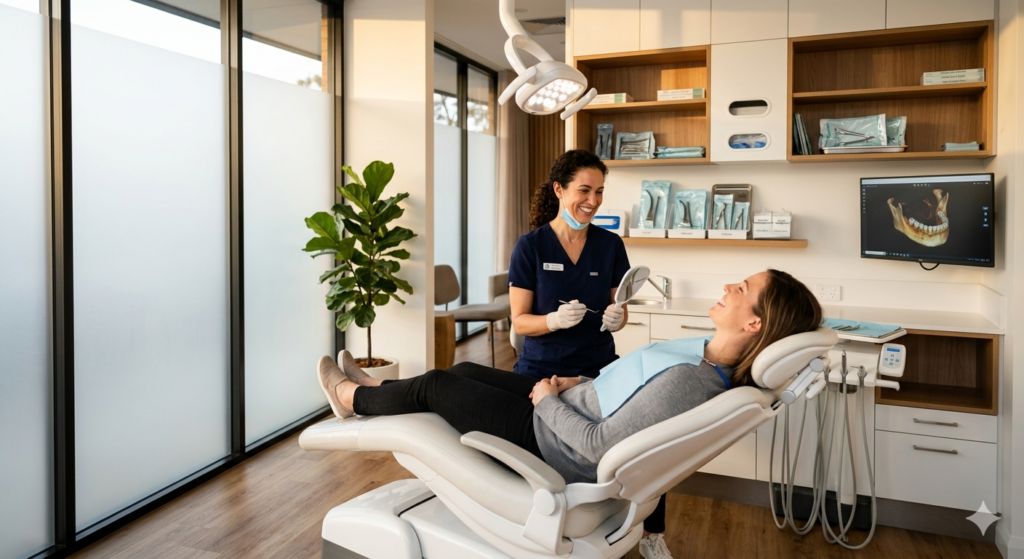
You’ll find clear, practical options for orthodontic care in Tracy whether you’re exploring braces for a teen, clear aligners for yourself, or specialist referrals for complex cases. Local orthodontists offer metal and ceramic braces, clear aligner systems, and flexible payment or insurance options to fit most needs and lifestyles.
They explain what to expect during visits, how treatment affects daily life, and how retainers lock in lasting results. Expect guidance on choosing a specialist, transparent cost estimates, and steps to start a smile transformation in Tracy.
Understanding Orthodontic Care
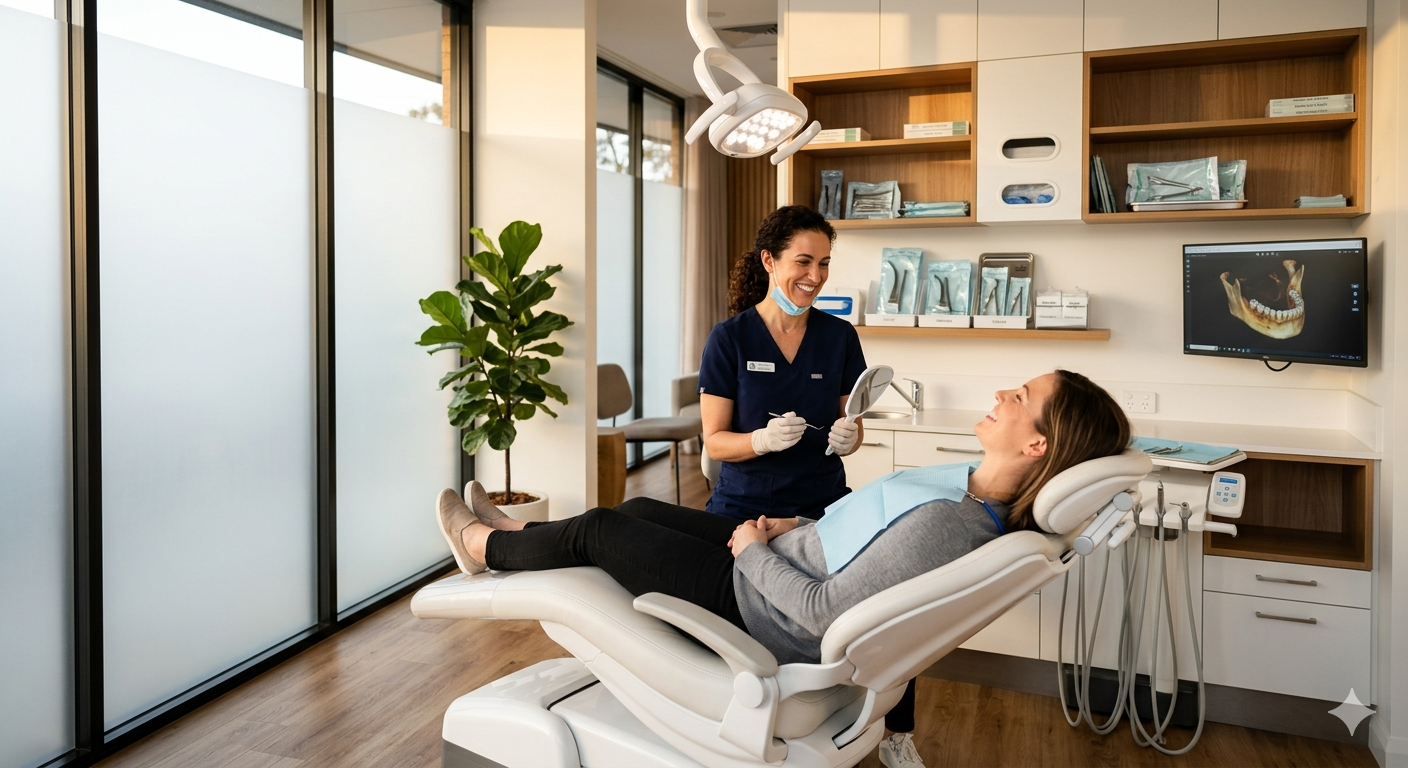
Orthodontic care focuses on aligning teeth and jaws to improve function, comfort, and appearance. It treats crowding, gaps, overbites, underbites, and other bite problems that can affect chewing, speech, and oral health.
Treatment begins with a comprehensive exam that may include X-rays, photos, and impressions or digital scans. The orthodontist evaluates growth, tooth position, and facial proportions to create a personalized plan.
Common options include traditional braces, clear ceramic brackets, and removable clear aligners. Each option balances visibility, comfort, treatment time, and cost, so the choice depends on the patient’s goals and lifestyle.
Follow-up visits monitor tooth movement and adjust appliances; these visits keep treatment on schedule and address any concerns early. Good oral hygiene and adherence to instructions directly affect outcomes and reduce the risk of cavities or gum irritation.
Orthodontic care often pairs with other dental treatments, such as extractions, restorations, or retainers after active treatment. Retainers maintain results long-term, and periodic check-ups help preserve alignment.
Patients can expect improved bite function, easier cleaning, and often a confidence boost from a more aligned smile. The orthodontist explains options clearly, answers questions, and supports comfort throughout the process.
Who Can Benefit From Braces in Tracy
Many people in Tracy choose braces to correct crooked teeth, close gaps, fix bite problems, or prepare teeth for restorative work. Modern orthodontics offers specific options tailored to a patient’s age, dental development, and lifestyle.
Solutions for Kids and Teens
Children and teens often receive the most common orthodontic care. Braces correct crowding, crossbites, overbites, and underbites while their jaws are still growing, which can shorten treatment time and improve long-term stability. Traditional metal brackets remain popular for durability and control, while ceramic brackets provide a less noticeable option for image-conscious teens.
Interceptive treatment between ages 7–10 can guide jaw growth with expanders or partial braces, reducing the need for extractions later. Compliance-friendly removable appliances and clear aligners are available for motivated teens, but they require good oral hygiene and wearing them as prescribed. Orthodontists in Tracy coordinate with pediatric dentists to time treatment for the best cosmetic and functional results.
Adult Treatment Options
Adults in Tracy seek braces for cosmetics, bite correction, or to finish work left from childhood. Bone density is stable in adults, so treatment may take longer than for teens, but predictable results are common. Clear aligners offer discreet, removable treatment for mild to moderate crowding and spacing; fixed ceramic braces provide a compromise between aesthetics and control for complex movements.
Orthodontists evaluate existing restorations, periodontal health, and jaw joints before starting. They may recommend combining braces with veneers, crowns, or gum therapy for optimal outcomes. Many adults appreciate staged plans that prioritize comfort and minimal disruption to work and social life.
Early Evaluation and Intervention
The American Association of Orthodontists recommends an evaluation by age 7; Tracy providers follow this guideline to detect issues early. Early exams identify habits (thumb-sucking, tongue thrusting), emerging crowding, or asymmetric jaw growth that benefit from timely treatment. Detecting a developing crossbite or severe overjet early often allows less invasive correction.
When intervention is needed, treatments can include palatal expanders, habit appliances, or limited braces to guide eruption and jaw alignment. Early work doesn’t always mean full braces immediately; it may set the stage for shorter or simpler comprehensive treatment later, reducing extractions and improving facial balance.
If they have questions or want an evaluation, patients are encouraged to contact a local orthodontic office in Tracy to schedule an assessment and personalized treatment plan.
Types of Braces Available
Patients in Tracy can choose from several effective brace systems, each balancing visibility, comfort, treatment time, and cost. The next subsections describe how metal, ceramic, and self-ligating braces differ in materials, appearance, maintenance, and typical use cases.
Traditional Metal Braces
Traditional metal braces use stainless steel brackets bonded to teeth and connected by archwires and elastic ties. They apply controlled force to move teeth and remain the most widely used option for complex bite corrections.
Metal braces are durable and often the most affordable choice. They work well for severe crowding, large bite shifts, and cases requiring precise tooth rotation. Appointments for adjustments typically occur every 4–8 weeks.
Patients can choose colored elastic ties for a customized look, which appeals to teens. Oral hygiene requires careful brushing and interdental cleaning around brackets; technicians may recommend specific brushes and fluoride rinses to prevent decalcification.
Ceramic Braces
Ceramic braces use tooth-colored or clear brackets that blend with enamel, making them less visible than metal braces. They operate like metal braces but prioritize aesthetics for adults and image-conscious teens.
Ceramic brackets are more brittle than metal and can chip, so providers may avoid them for patients with heavy biting forces or severe malocclusions. Treatment timelines are similar to metal braces, though occasional bracket replacement can extend appointments.
These braces can stain if patients frequently consume coffee, red wine, or tobacco, so clinicians advise limiting discoloring foods and maintaining diligent oral hygiene. Providers often pair ceramic brackets with metal wires when additional strength is needed.
Self-Ligating Braces
Self-ligating braces use brackets with built-in clips or doors that hold the archwire, removing the need for elastic ties. This design can reduce friction and may decrease appointment time for wire changes.
They come in metal and ceramic versions, offering both durability and a lower-profile aesthetic. Some studies show slightly faster tooth movement and fewer adjustment visits, but results vary by case complexity and clinician technique.
Oral hygiene is often easier since there are no elastic ties to trap food. However, cost tends to be higher than traditional metal braces, and not every malocclusion benefits significantly from the self-ligating mechanism; orthodontists evaluate each patient to recommend the best system.
Clear Aligner Solutions
Clear aligners offer discreet, removable orthodontic care using a series of custom plastic trays. They work well for mild to moderate crowding, spacing, and some bite issues while prioritizing comfort and appearance.
Invisalign and Similar Systems
Invisalign and comparable systems (SmileDirectClub, ClearCorrect, SureSmile) use digital scans to create staged aligner sets that shift teeth incrementally. Providers plan tooth movement with 3D software and deliver trays every one to two weeks; patients typically wear each tray 20–22 hours daily.
In-office Invisalign usually includes regular orthodontist visits for progress checks and mid-course adjustments. Direct-to-consumer options cut chair time but may miss important clinical signs; they suit only simple cases and require careful vetting.
Treatment length varies—often 6 to 18 months—depending on complexity. Cost ranges in Tracy, CA commonly fall between $3,000–$7,500 for Invisalign; cheaper alternatives may lack the same level of clinical oversight or warranty.
Benefits of Removable Aligners
Removable aligners let patients eat and clean teeth without hardware, reducing food restrictions and making oral hygiene easier. This lowers the risk of decay and gum issues compared with fixed braces when patients maintain proper brushing and flossing.
Aligners use smooth, BPA-free plastic, which reduces soft-tissue irritation and can improve comfort during treatment. They also provide a discreet aesthetic for adults and teens who wish to limit visible orthodontic appliances.
Predictable digital planning and attachments (tooth-colored bumps) allow precise movements like rotations or extrusions, though severe skeletal problems still require traditional braces or surgery. Patients must commit to wearing aligners as instructed; poor compliance lengthens treatment and reduces effectiveness.
What to Expect During Treatment
Patients will meet with the orthodontist, follow a clear adjustment schedule, and track progress toward specific alignment goals. Appointments focus on comfort, tooth movement safety, and keeping oral hygiene simple during treatment.
Initial Consultation and Planning
The initial visit starts with digital X-rays and intraoral scans to map tooth positions and jaw relationships precisely. The orthodontist reviews medical and dental history, photographs the smile, and explains options—metal braces, ceramic braces, or clear aligners—tying each to specific goals like crowding correction or bite improvement.
A personalized treatment plan lists estimated duration, key milestones, and any required extractions or use of elastics. Costs, insurance coverage, and payment plans get discussed in clear figures. Patients receive instructions for eating, oral hygiene, and managing initial sensitivity or soreness after appliance placement.
Regular Adjustments
With braces, patients typically visit every 4–8 weeks for wire changes and bracket checks; with clear aligners, they return every 6–10 weeks to monitor fit and pick up the next sets. Each appointment lasts 15–45 minutes and focuses on gentle, controlled tooth movement and checking for irritation or broken components.
The orthodontist or assistant shows how to use elastics if needed and reviews home care—flossing techniques, cleaning around brackets, or how to clean aligners. Staff will address discomfort with short-term remedies and schedule repairs promptly to avoid treatment delays.
Timeline for Results
Treatment length depends on complexity: minor alignment with clear aligners can take 4–9 months, moderate crowding often requires 12–18 months with braces, and more complex bite corrections can extend to 24 months or longer. The orthodontist provides milestone reviews every few months to show measured progress.
Retention follows active treatment. Patients receive retainers—fixed or removable—and a retention schedule, commonly full-time wear for 3–6 months then nights-only indefinitely, depending on relapse risk. Regular retainer checks help maintain results and prevent future shifting.
Call the office to schedule a consultation or ask about payment options, appliance choices, or what to bring to the first visit.
Cost, Insurance, and Payment Options
Costs vary by treatment type, appliance choice, and treatment length. Patients should expect clear estimates for consultation, imaging, appliance fees, monthly adjustments, and any retainers or follow-up visits.
Understanding Insurance Coverage
Most dental insurance in Tracy, CA covers a portion of orthodontic treatment for children and sometimes offers limited adult benefits. Typical coverage caps range from $1,000 to $3,000 lifetime maximums specifically for braces; percentage-based plans often pay 25%–50% after deductibles.
Patients should verify whether the plan requires in-network providers, pre-authorization, or waiting periods. The office can submit pre-treatment estimates (predeterminations) to the insurer to clarify out-of-pocket responsibility before work begins.
Medicaid (Medi-Cal) in California may cover medically necessary orthodontics for minors under specific criteria; coverage for cosmetic cases is unlikely. Bring policy details and member ID to the first visit to speed verification.
Financing and Flexible Payment Plans
Many Tracy orthodontic offices offer in-office payment plans that split the balance into monthly installments with no interest for a set term. Third-party medical credit options like CareCredit and LendingClub provide 6–24 month interest-free plans if paid within the promotional period; longer terms carry interest.
Estimate examples: a $5,000 case with a $1,000 down payment and 24-month no-interest plan results in $166 monthly. Ask about fees for missed payments, refunds for early completion, and whether retainers are included in the total cost.
Patients should request a written financial agreement detailing total cost, payment schedule, and what happens if treatment changes. Offices routinely assist with insurance claims and financing applications to reduce administrative burden.
Life With Braces and Aligners
Patients should expect short adjustment periods, routine hygiene changes, and a few lifestyle tweaks. Simple strategies for comfort and eating keep treatment predictable and effective.
Comfort Tips and Adjustments
New braces or aligners often cause soreness for 3–7 days after placement or adjustment. Over-the-counter ibuprofen or acetaminophen typically relieves pain; applying a cold compress for 10–15 minutes can reduce inflammation. Orthodontic wax on brackets or wires stops rubbing against cheeks and lips; replace wax daily and after meals.
Aligner wearers usually feel tightness for the first 24–48 hours after inserting a new tray. Wearing aligners 20–22 hours daily speeds progress and reduces soreness overall. Use a chewie or gentle biting motion to seat trays fully. If a wire pokes, a cotton swab with orthodontic wax or a small nail clipper (sterilized) to trim a protruding end can help—call the office for anything beyond minor fixes.
Follow scheduled adjustments and bring questions to appointments. Consistent communication prevents small issues from becoming emergencies.
Dietary Considerations
Braces require avoiding hard, sticky, and chewy foods that can break brackets or bend wires. Cut items like apples, carrots, and crusty bread into bite-sized pieces; avoid popcorn, hard candy, chewing gum, and caramel entirely. For metal- or ceramic-bracket patients, steer clear of ice chewing and fingernails to protect hardware.
Aligner patients must remove trays for any eating or drinking except water. Rinse and brush teeth before reinserting to prevent staining and decay. Avoid dark-colored beverages (coffee, red wine, cola) while wearing aligners to prevent discoloration. For both systems, prioritize soft proteins, cooked vegetables, yogurt, and smoothies during early adjustment days.
Keep a travel kit with a soft-bristle toothbrush, interdental brushes, floss threaders, and extra wax or a spare aligner case to manage meals away from home. Regular diet choices directly affect treatment speed and appliance integrity.
Retainers and Lasting Results
Retainers keep teeth in place after orthodontic treatment and prevent unwanted shifting. They act like a safety net, holding teeth while bone and gums stabilize.
There are two main types: fixed (bonded) retainers and removable retainers. Fixed retainers are thin wires attached behind the teeth; they work continuously but require careful cleaning. Removable retainers include clear plastic (Essix) and Hawley styles; patients can take them out to eat and brush.
Typical wear schedules start with near‑full time use, then shift to nightly wear. Compliance matters: inconsistent use increases the risk of relapse. For many adults, long‑term nightly wear is recommended to maintain alignment.
Care is simple but important. Rinse and brush removable retainers daily, soak them weekly, and avoid hot water that can warp plastic. For fixed retainers, floss threaders or water flossers help clean under the wire.
Common issues include loosening, breakage, or discomfort. If a retainer feels tight, warped, or lost, contact the orthodontic office quickly to avoid tooth movement. Regular follow‑up visits help monitor fit and oral health.
A personalized retention plan fits each patient’s needs, bite, and lifestyle. Patients who ask questions and follow instructions usually enjoy the best long‑term results and comfort.
Finding the Right Specialist in Tracy
Choosing an orthodontist in Tracy starts with credentials and experience. Look for a board-certified orthodontist or someone with clear specialty training in orthodontics, and verify licensure on California’s dental board website.
Patient comfort and communication matter as much as skill. Ask how the office handles anxiety, pain control, and appointment scheduling; a welcoming staff and clear explanations help patients feel at ease.
Consider treatment options offered and technology used. Offices that provide alternatives like clear aligners, ceramic braces, and digital scans show commitment to modern, efficient care.
Read reviews and request before-and-after photos. Reviews reveal real patient experiences; photos demonstrate consistent results for cases similar to yours.
Use this quick checklist when comparing specialists:
- Credentials: Board certification or specialty training
- Experience: Years treating the specific issue (e.g., crowding, bite correction)
- Treatments offered: Clear aligners, lingual braces, ceramic options
- Technology: Digital impressions, 3D imaging, and virtual treatment planning
- Patient comfort: Sedation choices, office environment, communication style
Schedule a consultation to assess rapport and treatment plans. A short visit clarifies costs, estimated timelines, and personalized options. Encourage questions and bring any previous dental records to make the consultation efficient.
Start Your Smile Transformation
Patients in Tracy, CA can begin their orthodontic journey with a simple consultation. The dentist will evaluate bite, tooth alignment, and overall oral health to recommend the best options for each person.
They typically discuss clear aligners, ceramic or metal braces, and accelerated treatments. The discussion includes expected timelines, comfort levels, and any necessary preparatory work like extractions or restorations.
Cost, insurance, and financing options get reviewed so families can plan ahead. Transparent pricing and payment plans help reduce stress and allow patients to focus on results.
A typical first visit includes x‑rays, photos, and a digital scan or impression. These records create a personalized treatment plan and visual models that show likely outcomes.
Patients often appreciate a tour of the office and a chance to meet the team before committing. Knowing the staff and the treatment environment reduces anxiety and increases confidence.
Ready to take the next step? Call the office or schedule an online consultation to ask questions and review treatment options in Tracy.
Frequently Asked Questions
This section answers practical questions about choosing braces or clear aligners, expected costs, financing, treatment time, medical considerations, and what to ask at a first orthodontic visit. Each answer gives specific, patient-focused details to help make informed decisions in Tracy, CA.
How do I know whether traditional braces or Invisalign is the better fit for my smile goals?
Traditional metal or ceramic braces often work better for complex tooth movements, severe crowding, large bite corrections, or teeth that need significant rotation. Invisalign and other clear aligners suit mild-to-moderate crowding, spacing, and many bite issues when patient discipline for 20–22 hours of wear per day is consistent.
An orthodontist assesses X-rays, photos, and digital scans to recommend treatment. They will show predicted outcomes with digital simulations and explain whether attachments, elastics, or refinements will be needed.
About how much do braces or clear aligners typically cost, and what factors can change the total price?
Typical full-treatment ranges in Tracy, CA: metal braces $4,000–$7,000; ceramic braces $5,000–$8,000; Invisalign or clear aligners $4,500–$8,500. These are general ranges; exact fees vary by case complexity, treatment length, and whether specialists (orthognathic surgery) are required.
Additional costs may include initial records ($100–$500), retainers ($100–$500 each), emergency visits, and any extra appliances like expanders. Insurance coverage, provider experience, and regional demand also affect price.
What payment plans or monthly financing options are commonly available for orthodontic treatment?
Most orthodontic offices offer in-house monthly payment plans with zero or low interest, typically requiring a down payment of $300–$1,000 and monthly installments. Third-party medical financing companies (e.g., CareCredit, LendingClub) provide 6–24 month interest-free options or longer plans with interest.
Patients should ask for a written payment schedule and total cost over time. Many offices also accept flexible spending accounts (FSA/HSA) and will submit insurance claims on the patient’s behalf.
How long does orthodontic treatment usually take, and what can help keep it on track?
Average treatment time ranges from 6–18 months for mild cases to 18–36 months for more complex corrections. Clear aligner treatment often averages 12–18 months; traditional braces commonly take 18–24 months depending on movement required.
Keeping treatment on track requires wearing aligners the prescribed hours, attending scheduled monthly or biweekly appointments, and following instructions on elastics or appliances. Good oral hygiene and prompt handling of broken brackets or lost aligners also prevent delays.
Can I still get braces or clear aligners if I have osteoporosis or other medical conditions?
Osteoporosis alone usually does not prevent orthodontic treatment, but it can affect bone response to tooth movement and requires consultation with the patient’s primary care physician or specialist. Conditions such as uncontrolled diabetes, certain autoimmune diseases, and medications (bisphosphonates, some cancer therapies) can complicate treatment and increase risk.
The orthodontist will review medical history, coordinate with other providers when necessary, and may adjust force levels, treatment timing, or monitoring frequency. Full disclosure of medications and health issues at the first visit is essential.
What should I look for when choosing an orthodontist, and what questions should I ask at a first consultation?
Look for an orthodontist with formal specialty training, state licensure, and positive local patient reviews. Check whether the office uses digital impressions, 3D treatment planning, and offers both braces and clear aligners.
Ask: How long will treatment take for my case? What are the total and itemized costs? Do you offer payment plans or financing? How often will visits be scheduled, and who handles emergencies? Request to see before-and-after photos of similar cases and ask about retainer policy and long-term follow-up.
Reach out to schedule a consultation and discuss personalized options, estimated timelines, and a clear cost breakdown.