
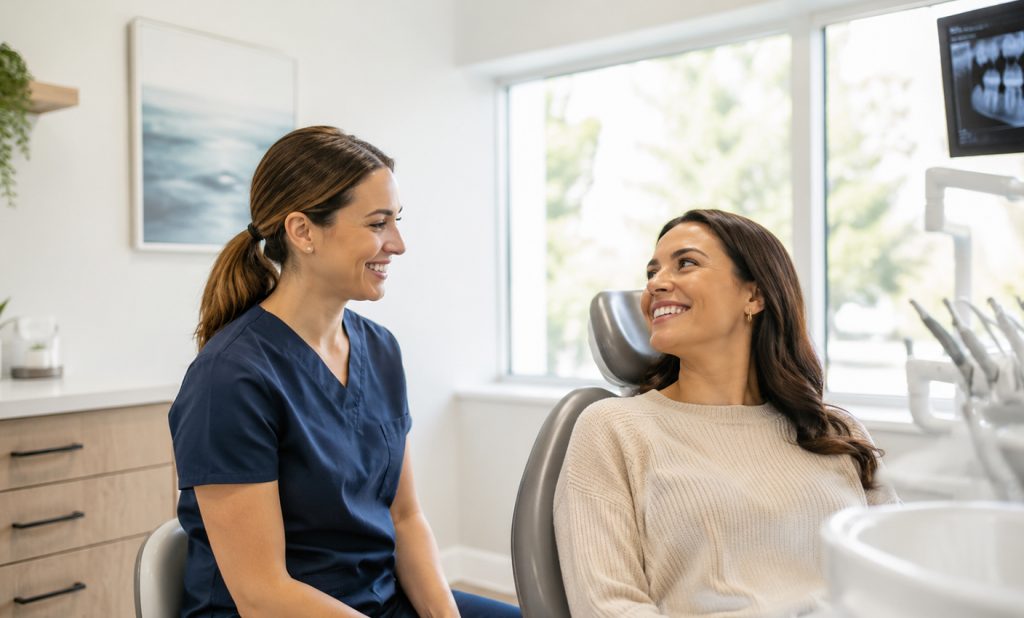
Finding a trusted family dentist in Tracy, CA can make dental care feel simpler, calmer, and more convenient for everyone in the household. Instead of juggling multiple offices for children, teens, adults, and older family members, many patients prefer one dental home where the team understands their history, preferences, and long-term goals.
A great family dentist does more than clean teeth. The right office helps prevent problems, explains treatment options clearly, supports nervous patients, and makes routine visits easier to keep up with year after year. For families in Tracy, Valley View Dental offers a neighborhood dental experience focused on comfort, prevention, and practical care for everyday needs.
This article is for general educational purposes only and does not diagnose dental conditions or replace personalized advice from a licensed dentist. Anyone with pain, swelling, bleeding, injury, or concerns about treatment should schedule an exam with a dental professional.
Why Having a Family Dentist Matters
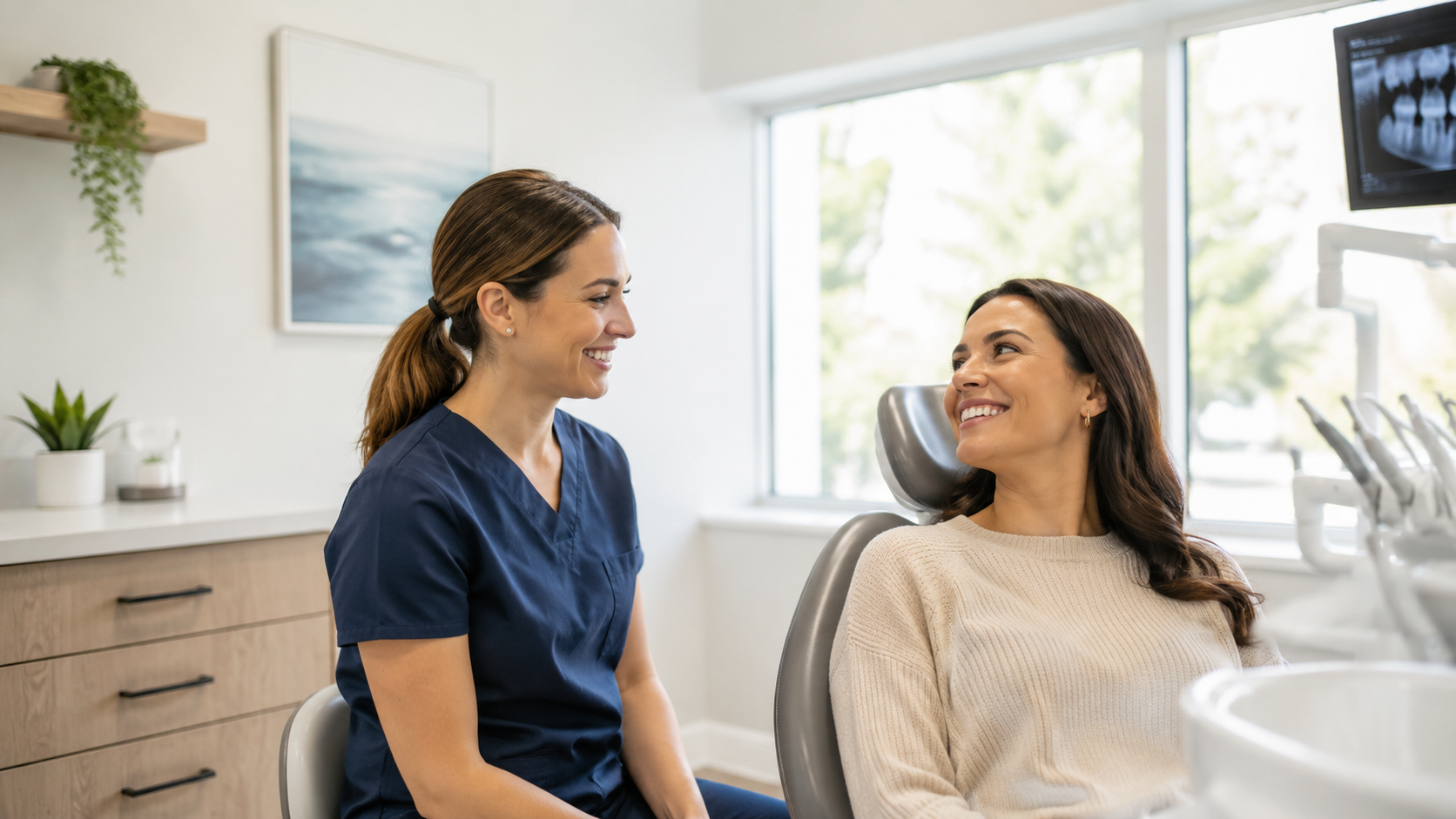
Life gets busy. Between school schedules, work, sports, errands, and family responsibilities, dental appointments can easily slide down the list. A family dentist helps make oral health more manageable by providing care for multiple ages and stages in one familiar setting.
For young children, early dental visits help build comfort and healthy habits. For teens, a dentist can monitor changes related to orthodontic development, wisdom teeth, sports injuries, diet, and hygiene. Adults may need preventive cleanings, fillings, crowns, cosmetic options, or help managing gum health. Older adults may need support with dry mouth, tooth wear, replacement teeth, or existing dental work.
When one dental team follows the whole family, patterns become easier to notice. For example, if several family members are prone to cavities, the dentist may talk about diet, fluoride, sealants, brushing technique, or genetics. If gum disease runs in the family, the team can recommend closer monitoring and personalized home care tips.
What to Look for in a Family Dentist in Tracy, CA
Choosing a dentist is personal. The best fit is not always the closest office or the first name that appears online. Patients should look for a dental practice that combines clinical skill, clear communication, convenience, and a welcoming atmosphere.
Comprehensive Care for Different Ages
A strong family dental office should be comfortable caring for children, adults, and seniors. This does not mean every service must be completed in-house, but the dental team should be able to guide patients through routine care, prevention, restorative needs, cosmetic concerns, and referrals when specialized care is appropriate.
Common family dental services often include dental exams, cleanings, digital X-rays, fluoride recommendations, sealants, tooth-colored fillings, crowns, bridges, gum health evaluations, nightguards, teeth whitening consultations, and emergency dental guidance. The goal is to make the office a reliable first stop for most oral health questions.
A Comfort-Focused Experience
Dental anxiety is common. Some people feel nervous because of a past experience, a sensitive gag reflex, fear of discomfort, or embarrassment about how long it has been since their last visit. A reassuring family dentist understands these concerns and responds with patience rather than judgment.
Comfort-focused care may include explaining each step before treatment, offering breaks, using modern tools when appropriate, discussing numbing options, and creating a calm environment. For many patients, simply knowing that questions are welcome can make appointments much less stressful.
Clear Explanations and No Pressure
Dental terms can sound confusing at first. A helpful dentist takes time to explain what is happening, why it matters, and what options are available. Patients should leave with a clear understanding of their oral health, not a list of unfamiliar procedures.
Good communication includes reviewing X-rays or photos when available, explaining the difference between urgent needs and watch areas, discussing risks and benefits, and answering cost or timing questions. Patients should feel informed and respected, not rushed or pressured.
Preventive Care as the Foundation
The best dental care is often the care that helps prevent bigger problems. Regular exams and cleanings allow the dentist to catch small concerns early, before they become painful or more complex. Preventive visits also help remove plaque and tartar that brushing and flossing cannot fully reach at home.
For many patients, a typical preventive schedule includes visits every six months. However, some people may need more frequent cleanings because of gum disease, a history of cavities, dry mouth, certain health conditions, or orthodontic appliances. A family dentist can recommend a schedule based on individual needs.
How Family Dentistry Supports Children
Children benefit from dental visits that feel positive and predictable. Early experiences can shape how a child feels about dentistry for years to come. A family dentist can help children learn that dental care is a normal part of staying healthy, just like eating well and visiting the pediatrician.
During a child’s visit, the dental team may check tooth development, look for cavities, review brushing habits, discuss fluoride, and talk about diet in a kid-friendly way. If sealants are recommended, they may help protect the chewing surfaces of back teeth where food and bacteria often collect.
Parents also get practical guidance. This may include how much toothpaste to use, when children should start flossing, what to do about thumb sucking, and how to handle loose teeth. For busy parents, these small tips can make home care easier and more effective.
Dental Care for Teens and Busy Adults
Teenagers face their own oral health challenges. Braces or clear aligners can make cleaning harder. Sports can raise the risk of dental injuries. Energy drinks, frequent snacking, and inconsistent brushing can contribute to cavities. A family dentist can talk with teens in a respectful, practical way that encourages responsibility without lecturing.
Adults often have different concerns. Some want to maintain a healthy smile, while others want to improve the appearance of stained, chipped, worn, or uneven teeth. Many adults also manage stress-related clenching, gum inflammation, old fillings, or missing teeth. A family dentist can help patients prioritize care based on health, comfort, appearance, schedule, and budget.
For adults who have delayed dental visits, the first appointment does not need to feel intimidating. A caring dental team can start with an exam, discuss findings, and create a step-by-step plan. Even if there are several concerns, treatment can often be organized in phases.
Modern Dentistry Can Make Visits Easier
Dental technology has changed the patient experience in meaningful ways. While every office is different, many modern practices use tools designed to improve accuracy, comfort, and communication.
Digital X-rays, for example, can help dentists evaluate areas that are not visible during a standard exam, such as between teeth or below the gumline. Intraoral cameras may allow patients to see what the dentist sees, making explanations easier to understand. Tooth-colored materials can restore damaged teeth while blending more naturally with the smile.
Modern dentistry is also more preventive and personalized than in the past. Instead of waiting for pain, dentists can watch early signs of wear, enamel changes, gum concerns, or bite problems. This gives patients more time to make informed choices.
Signs It May Be Time to Schedule a Dental Visit
Routine dental visits are important even when nothing hurts. However, certain symptoms should not be ignored. Patients should consider scheduling an appointment if they notice:
- Tooth pain or sensitivity that does not go away
- Swollen, red, or bleeding gums
- A cracked, chipped, or broken tooth
- Jaw pain, frequent headaches, or signs of clenching
- Bad breath that persists despite brushing and flossing
- A loose adult tooth
- A lost filling, crown, or dental restoration
- Sores or changes in the mouth that do not heal
Dental symptoms can have many possible causes, so an exam is the safest way to understand what is happening. Early care may help reduce discomfort and prevent a small issue from becoming more complicated.
How to Prepare for a First Visit
A first visit with a new family dentist is a chance to build trust. Patients can make the appointment smoother by bringing a list of medications, dental insurance information if applicable, and any questions or concerns they want to discuss.
It can also help to share past dental experiences, especially if anxiety is a concern. A dentist cannot tailor the visit unless the team knows what makes a patient uncomfortable. Whether someone needs extra explanation, a slower pace, or reassurance during treatment, speaking up helps the office provide better care.
Parents bringing children can keep the tone positive and simple. Instead of saying, “It will not hurt,” which can accidentally introduce fear, they might say, “The dentist will count your teeth and help keep your smile healthy.” A calm parent often helps a child feel calm too.
Questions to Ask When Choosing a Family Dentist
Before selecting a dental home, patients may want to ask a few practical questions:
- Does the office care for both children and adults?
- What preventive services are recommended for different ages?
- How does the team help nervous patients feel comfortable?
- Are treatment options explained before decisions are made?
- What happens if a dental emergency occurs?
- Does the office provide estimates or help patients understand payment options?
- How far in advance should routine appointments be scheduled?
The answers can help families decide whether the office’s approach matches their needs. A good dental relationship should feel collaborative, transparent, and respectful.
Why Local Dental Care in Tracy Can Be More Convenient
Choosing a local family dentist in Tracy, CA can make it easier to keep appointments and follow through with care. A nearby office means less travel time, simpler scheduling, and a familiar place to call when questions come up.
Local dental teams also understand the pace of the community. They serve neighbors, families, students, professionals, and retirees who want dependable care without feeling like a number. That neighborhood connection can make routine dental care feel more personal.
At Valley View Dental, the focus is on helping patients feel informed and comfortable while supporting long-term oral health. Whether someone is scheduling a child’s first visit, returning after time away, or looking for a new dental home, a friendly conversation is often the best place to begin.
FAQ About Family Dentistry in Tracy, CA
How often should a family visit the dentist?
Many patients benefit from dental checkups and cleanings every six months. However, the ideal schedule depends on each person’s oral health, gum condition, cavity risk, medical history, and dentist’s recommendation.
At what age should a child start seeing a dentist?
Children should generally have an early dental visit when the first tooth appears or by their first birthday. Early visits help parents learn how to care for baby teeth and help children become comfortable with the dental office.
Can one dentist care for both children and adults?
Yes, many family dentists provide care for patients of different ages. They can monitor growth and development in children, support preventive care for adults, and help older patients maintain oral function and comfort.
What if a patient feels embarrassed about not seeing a dentist for years?
A compassionate dental office should focus on helping, not judging. Many people delay dental care for reasons such as anxiety, cost, busy schedules, or past experiences. The most important step is scheduling an exam and creating a realistic plan.
Are dental X-rays necessary?
Dental X-rays help dentists see areas that are not visible during a visual exam. They may be recommended based on age, symptoms, cavity risk, gum health, and dental history. Patients can always ask why an X-ray is recommended and how it supports their care.
What should someone do during a dental emergency?
For tooth pain, swelling, injury, a broken tooth, or a lost restoration, patients should contact a dentist as soon as possible for guidance. Severe swelling, trouble breathing, uncontrolled bleeding, or facial trauma may require urgent medical attention.
A Comfortable Dental Home Starts With a Conversation
Choosing the right family dentist in Tracy, CA is about more than convenience. It is about finding a team that listens, explains, and helps every patient feel more confident about their smile. Preventive care, modern treatment options, and a supportive environment can make dental visits easier for children, adults, and seniors alike.
Anyone looking for a welcoming dental home can contact Valley View Dental to ask questions, schedule a visit, or learn more about care options. A healthier smile often starts with one simple conversation.