
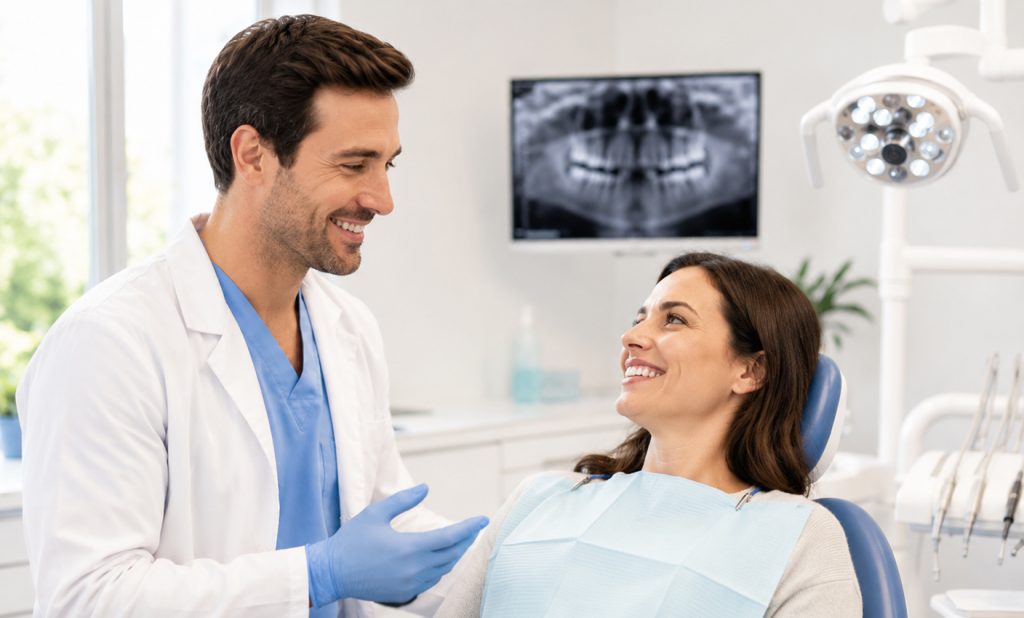
If a sudden toothache, a cracked tooth, or an accidental knock to the mouth happens, you need fast, reliable care in Tracy, CA to stop pain and prevent long-term damage. Emergency dentistry in Tracy provides same-day treatment for severe pain, knocked-out teeth, and infections so you can preserve your smile and avoid complications.
They will explain what counts as a true dental emergency, walk you through immediate at-home steps to reduce pain and risk, and prepare you for what to expect during an urgent visit. Expect clear guidance on finding a local provider, cost and insurance basics, comfort options if anxiety is a concern, and preventive tips to lower the chance of another emergency.
Recognizing Dental Emergencies

Patients should note the difference between problems that require immediate intervention and issues that can wait for a scheduled visit. Key signs include severe pain, uncontrolled bleeding, loose or knocked-out teeth, visible infection, and trauma to the face or jaw.
Common Signs and Symptoms
Severe, persistent toothache that prevents normal eating or sleeping often signals pulp inflammation or infection. Pain that wakes someone at night or responds poorly to over-the-counter analgesics deserves prompt attention.
Swelling of the face, cheek, or gums—especially when accompanied by fever—can indicate a spreading infection that may threaten nearby tissues. Redness, warmth, and increasing size of the swelling are warning features.
A cracked or fractured tooth that causes sharp pain when biting or exposes soft inner tissue creates a high risk of infection and needs rapid evaluation.
Uncontrolled bleeding after an extraction or injury that soaks through gauze within 15–20 minutes requires immediate care.
Tender, swollen lymph nodes with severe oral pain suggest an active infection that shouldn’t be delayed.
When to Seek Immediate Help
Seek same-day emergency care for knocked-out (avulsed) permanent teeth; quick action preserves the best chance for re-implantation. Handle the tooth by the crown only, rinse gently if dirty, keep it moist in milk or saliva, and get to a dentist within an hour if possible.
Call or visit urgently for severe facial swelling, difficulty breathing or swallowing, or signs of systemic illness like high fever. These symptoms may indicate a deep-space infection or airway compromise.
If bleeding from oral trauma or recent surgery continues despite firm pressure for 20 minutes, go to the nearest emergency room or dental clinic.
Severe, uncontrolled pain with visible pulp exposure or large fractures also warrants rapid treatment to prevent spreading infection and preserve tooth structure.
Situations That Can Wait
Mild tooth sensitivity to hot, cold, or sweet stimuli without swelling or persistent pain can often wait for a next-day or routine appointment. Use desensitizing toothpaste and avoid triggers until evaluated.
Small, stable chips that only affect enamel and cause no pain generally do not require emergency care; scheduling a restorative visit within a few days is appropriate.
Loose temporary crowns or lost fillings that aren’t causing pain can be managed temporarily with dental cement from a pharmacy or sugar-free gum, then fixed at a scheduled visit.
Minor cosmetic concerns, routine cleanings, and chronic low-level discomfort without signs of infection can be addressed during regular office hours.
Types of Urgent Dental Issues
These urgent dental problems require prompt attention to prevent worsening pain, infection, or permanent tooth loss. The following subsections explain typical causes, immediate at-home steps, and what to expect at an emergency dental visit.
Severe Toothaches
Severe toothaches often signal advanced decay, a deep crack, or an infected nerve (pulpitis). Pain that wakes a patient at night, worsens with pressure or heat, or comes with facial swelling usually indicates infection and needs evaluation within 24 hours.
At-home care focuses on comfort and infection control: rinse with warm salt water, use over-the-counter ibuprofen as directed, and avoid placing aspirin directly on the gum or tooth. Cold compresses reduce swelling; avoid chewing on the affected side.
At the clinic, the dentist will examine the tooth, take x-rays, and test pulp vitality. Treatment commonly involves draining an abscess if present, root canal therapy to remove infected tissue, or extraction when the tooth cannot be saved. Antibiotics are prescribed if there is spreading infection or systemic symptoms like fever.
Broken or Knocked-Out Teeth
A fractured tooth can range from a small chip to a crack that splits the tooth; an avulsed (knocked-out) tooth is a dental emergency. Time and how the tooth is handled determine whether replantation succeeds.
For a knocked-out permanent tooth, find the tooth by the crown (avoid the root), rinse gently without scrubbing, and attempt to reinsert into the socket if the patient is conscious and cooperative. If reinsertion isn’t possible, store the tooth in milk or a tooth preservation kit and see the dentist within 60 minutes for the best prognosis.
For fractures, preserve any tooth fragments and avoid biting hard foods. The dentist will assess the extent of damage using clinical exam and radiographs. Treatments vary: bonding or a crown for cosmetic/structural restoration, root canal if pulp is exposed, or extraction and replacement with an implant or bridge for non-restorable teeth.
Lost Fillings or Crowns
A lost filling or crown often causes sensitivity, pain, or food trapping and can expose the underlying tooth to decay. Losing a crown may also change the bite and place extra force on adjacent teeth.
Temporary measures include saving the restoration if possible, rinsing and gently cleaning the area, and using dental cement or sugar-free gum to cover sharp edges until the appointment. Avoid chewing on that side and limit sugary foods to reduce bacterial attack.
The dentist inspects the remaining tooth structure and the fit of the restoration. Options include re-cementing the crown, replacing the filling with composite or onlay, or building up the tooth if substantial structure is lost. If recurrent decay or root involvement exists, a crown or root canal may be required.
Soft Tissue Injuries
Soft tissue injuries involve the lips, tongue, cheeks, or gums and can bleed heavily or be prone to infection. Lacerations from falls, bites, or sports often need prompt cleaning and sometimes sutures to heal properly.
Initial care involves controlling bleeding with gentle pressure using sterile gauze, rinsing with saline or warm salt water to clear debris, and applying a cold pack to reduce swelling. If the wound is large, gapes open, or contains foreign material, seek emergency dental or medical care within a few hours.
A dentist will evaluate for nerve or duct damage, clean the wound, and place sutures when necessary. They may prescribe antibiotics for contaminated injuries and tetanus updates if the patient’s immunization is not current. Follow-up care includes gentle oral hygiene, soft diet, and suture removal when appropriate.
What to Expect During Your Visit
Patients can expect a focused, practical visit that prioritizes pain control, quick diagnosis, and treatment planning. Staff will gather a brief medical and dental history, assess the emergency, and explain immediate steps clearly.
How Emergency Dental Care Is Handled
On arrival, a dental team member checks vital signs and asks about current pain, injury timing, medications, and allergies. Triage determines urgency: uncontrolled bleeding, severe swelling affecting breathing, or intense pain gets top priority; stable but painful issues are next.
The dentist performs a targeted exam of the mouth, jaw, and facial structures to locate the problem—fractured tooth, abscess, loose restoration, or soft-tissue injury. They document findings and take any needed X-rays immediately.
Treatment goals focus on stopping bleeding, relieving pain, controlling infection, and stabilizing teeth. Interventions may include temporary crowns, splints for loosened teeth, tooth extraction, or incision and drainage for abscesses. The dentist explains options, expected outcomes, and follow-up care so the patient can consent confidently.
Comfort Measures and Pain Relief
Clinicians use multiple methods to control pain quickly. Local anesthetic injections numb the area for procedures; topical gel eases injection discomfort. For severe pain, the dentist may prescribe short courses of NSAIDs or opioids when appropriate and follow current prescribing guidelines.
Swelling and infection get cold compress advice and often an antibiotic prescription tailored to the infection’s likely source and patient medical history. For anxious patients, nitrous oxide (laughing gas) or oral anxiolytics can be offered after a medical review.
The team reviews home-care steps: how to take medications, manage bleeding, and what foods to avoid. They also schedule prompt follow-up visits for definitive care like root canals, permanent crowns, or surgical procedures.
Modern Diagnostic Tools
Clinics use digital X-rays to quickly identify fractures, bone loss, and infections with minimal radiation. Bitewing or periapical images provide detailed views of individual teeth; panoramic X-rays show the whole jaw when broader assessment is needed.
Intraoral cameras let patients see high-resolution images of the injured tooth or tissue, improving understanding and consent. Cone-beam CT scans are available in some offices for complex cases involving root anatomy or jaw fractures.
Point-of-care tests, such as pulp vitality testing and swabs for culture, guide decisions about saving a tooth versus extraction. These tools speed diagnosis and help the dentist create a precise, evidence-based treatment plan.
Questions or concerns? They encourage calling the office to discuss symptoms, confirm insurance details, or arrange the next available emergency appointment.
Finding the Right Provider in Tracy, CA
Choosing a local emergency dentist means checking skills, availability, and how they treat anxious patients. Practical details like location, insurance acceptance, and average wait times often decide where people go first.
Qualities of an Experienced Emergency Dentist
An experienced emergency dentist in Tracy should have specific surgical and restorative skills, such as suturing, emergency pulpotomy, and same-day crown or temporary restoration placement. Look for dentists with continuing education in trauma management and certification in basic life support (BLS) or advanced cardiac life support (ACLS) when possible.
Patient communication matters. Dentists who explain options clearly, give realistic timelines, and outline costs upfront reduce stress. Ask whether the dentist has handled similar injuries — knocked-out teeth, broken restorations, severe infections — and request before/after examples or patient testimonials when available.
Office resources affect outcomes. Check for on-site digital imaging (periapical and panoramic X-rays), surgical instruments for extractions, and access to an oral surgeon or endodontist for complex cases. Confirm the clinic’s sterilization protocols and sedation options for pain or anxiety control.
How Local Practices Handle Urgent Calls
Many Tracy dental offices screen urgent calls by phone to triage severity quickly. Staff typically ask when pain started, whether bleeding or swelling is present, and if there’s a risk of airway compromise; this determines whether immediate in-office care or emergency room referral is needed.
Expect a structured intake: staff will collect insurance details, current medications, and allergies before scheduling. Some practices reserve same-day slots for true emergencies while directing non-urgent but uncomfortable cases to the next available appointment. Clear triage reduces unnecessary ER visits and prioritizes those at greatest risk.
Communication during the call is practical and patient-focused. The office should give step-by-step first-aid instructions — how to handle a avulsed tooth, how to control bleeding, or what over-the-counter meds are appropriate — and explain estimated wait times and fees for urgent visits.
After-Hours and Weekend Options
After-hours coverage varies by practice in Tracy. Some clinics maintain rotating emergency phone lines staffed by a dentist, while others contract with on-call services that coordinate urgent visits or provide remote advice. Verify whether the clinic charges an after-hours surcharge and what payment methods are accepted.
Walk-in availability also differs. Certain offices keep evening or weekend emergency hours; others require an on-call consultation first. Confirm the nearest 24/7 facility or hospital dental service if immediate surgical intervention might be needed.
For recurring patients, some practices offer streamlined after-hours care with access to the patient’s records, which speeds diagnosis and treatment. New patients should ask how quickly records and X-rays can be transferred or emailed to avoid delays in care.
At-Home First Aid Before Your Appointment
A few immediate actions can protect a damaged tooth and reduce pain until professional care is available. Focus on stabilizing loose pieces, controlling bleeding, and keeping the area clean.
Temporary Care Tips
If a tooth is knocked out, rinse it gently with water without scrubbing and try to reinsert it into the socket, holding it by the crown. If reinsertion isn’t possible, place the tooth in cold milk or a saline solution and bring it to the dentist; do not store it in plain water for extended periods.
For a fractured tooth, collect any broken fragments and rinse the mouth with warm water. Apply a clean piece of gauze to stop bleeding and avoid biting down on the injured tooth. Use dental wax or sugarless gum to cover sharp edges that irritate the tongue or cheek.
For a lost filling or crown, coat the exposed tooth with dental cement from a drugstore or use sugarless gum as a temporary seal. Keep the area clean and avoid sticky or hard foods that could dislodge the temporary material.
Managing Pain and Swelling
For pain control, take over-the-counter ibuprofen or acetaminophen according to package directions, unless contraindicated. Avoid aspirin for acute dental bleeding because it can thin the blood and worsen bleeding.
Apply a cold compress to the cheek for 10–15 minutes on, then 10–15 minutes off, to reduce swelling after trauma. Keep the head elevated while resting to minimize throbbing and inflammation.
Rinse gently with warm salt water (½ teaspoon salt in 8 ounces of warm water) several times daily to reduce bacteria and soothe tissues. For severe or increasing swelling, fever, or difficulty breathing or swallowing, seek emergency care immediately, as these signs can indicate an advancing infection.
Preventive Strategies to Avoid Emergencies
Simple daily choices and a few protective measures greatly reduce the chance of sudden dental pain, broken teeth, or infections. Practical steps—from mouthguards to regular cleanings—protect teeth and lower the need for urgent visits.
Protective Gear for Sports
Athletes should wear properly fitted mouthguards whenever participating in contact or high-speed sports. A custom-fitted mouthguard made by a dental professional offers the best protection against tooth fractures, root injuries, and soft-tissue cuts.
Store mouthguards in a ventilated case and replace them after heavy wear, significant deformation, or every season for growing children. For players with braces, use an orthodontic mouthguard designed to protect both teeth and appliances.
Helmet-mounted face shields reduce facial trauma in sports like hockey or lacrosse. Bicycle and skateboard riders should always wear helmets with a proper fit to reduce jaw and head injuries that can cause dental emergencies.
Establishing Healthy Oral Habits
Brushing twice daily for two minutes with a fluoride toothpaste and cleaning between teeth once a day prevents most cavities and gum disease that lead to emergencies. Use a soft-bristled brush and gentle circular strokes to avoid enamel wear and gum recession.
Limit acidic and sugary snacks; when snacking, choose cheese, nuts, or fresh vegetables and rinse with water afterward. For people who grind teeth at night, a dentist-prescribed nightguard helps prevent fractures, excessive wear, and tooth mobility.
Avoid using teeth as tools to open packages or bite hard objects like ice, bones, or hard candy. Those habits cause cracked teeth and sudden breaks that require emergency repair.
Routine Checkups and Cleanings
Schedule dental checkups every six months or as recommended by a dentist based on risk factors like previous decay, gum disease, or medical conditions. Professional cleanings remove tartar and detect early decay, loose restorations, or developing abscesses before they become urgent.
Digital X-rays and intraoral exams identify hidden problems such as root infections or failing fillings. When a dentist spots early issues, they can provide targeted treatments—sealants, fluoride varnish, or a replacement crown—that prevent later emergency procedures.
Patients should report any new pain, swelling, or mobility between visits so the dental team can prioritize timely care and avoid escalation.
Cost and Insurance Considerations
Costs for emergency dental care in Tracy, CA can vary by procedure, time of day, and provider. Patients should expect variable fees for exams, X-rays, extractions, root canals, and sedation, and verify what their insurance will actually cover.
Understanding Emergency Fees
Emergency visits typically include a triage/exam fee plus separate charges for diagnostics and treatment. An after-hours or weekend visit often adds a surcharged emergency or “walk-in” fee ranging from roughly $75–$250 depending on the clinic.
Common treatment price examples: a simple tooth extraction often falls between $150–$400; a root canal on a front tooth might range $600–$1,000; molar root canals commonly cost $900–$1,500. X-rays usually add $25–$200 based on type.
Patients should request an itemized estimate before treatment. Clinics in Tracy often offer a verbal estimate for urgent care over the phone and a written estimate at check-in to prevent billing surprises.
Insurance Coverage for Urgent Care
Most dental insurance plans cover emergency exams and some urgent procedures, but coverage levels vary by plan and provider network. Preventive and emergency exams often have higher coverage, commonly 80–100% for exams and X-rays after meeting any deductible.
Major procedures like root canals or crowns typically fall under major benefits with 30–50% coverage after annual limits. Out-of-network care may be reimbursed at a lower rate or not at all, leaving patients responsible for balance billing.
Patients should call their insurer with procedure codes (DX and CPT) when possible, confirm in-network status of the Tracy office, and ask about annual maximums and deductibles to estimate out-of-pocket responsibility.
Flexible Payment Solutions
Many Tracy dental offices provide multiple payment options to ease immediate costs. Typical choices include cash, major credit cards, CareCredit, and in-office payment plans that split balances into 3–12 monthly installments with or without interest.
CareCredit often approves same-day funding for unexpected dental work, subject to credit approval and promotional terms. Clinics may also offer discounted fees for uninsured patients or charity payment programs for qualifying low-income residents.
Patients should request written terms for any plan, confirm start dates for interest, and ask if deposits are refundable when scheduling emergency procedures.
Support and Comfort for Nervous Patients
Dental teams create a calm experience by combining practical comfort measures with clear explanations and options. Patients receive personalized approaches that reduce fear, manage pain, and help them feel in control during emergency visits.
How Teams Ease Dental Anxiety
Clinics offer several proven strategies to lower anxiety quickly. Staff often greet patients by name, explain the first steps, and provide a quiet room or weighted blanket to reduce sensory overload. Receptionists and assistants note known triggers in the chart—such as fear of needles or past bad experiences—so the clinician can avoid repeating them.
Many practices provide sedation choices tailored to the emergency and the patient’s health: nitrous oxide for mild anxiety, oral sedatives for moderate stress, and IV sedation for higher needs. Staff review risks and aftercare before administering anything. Short, focused distraction techniques—music, noise-cancelling headphones, or guided breathing—help during injections or short procedures.
Communication and Transparency During Treatment
Clinicians describe each action in plain language and check for understanding and consent before any step. They set a clear signal—such as raising a hand or saying “stop”—so patients can pause treatment at any time. This empowers patients and reduces panic during unexpected discomfort.
Treatment teams also outline the expected timeline and possible sensations: pressure, vibration, or brief sharpness, plus estimated procedure length. They detail pain control plans, follow-up care, and emergency contact information. Written or digital aftercare instructions reinforce verbal explanations and help patients manage recovery confidently.
Next Steps for Your Dental Health
After an emergency visit, the team reviews what happened and outlines immediate care needs. They schedule follow-up appointments to check healing, complete definitive treatments, or fit a temporary restoration.
Patients should keep a short list of priorities: pain control, infection prevention, and restoring function. Follow prescribed medication directions, avoid hard or chewy foods on the affected side, and use gentle oral hygiene to protect repairs.
A simple checklist helps with recovery:
- Within 24–48 hours: Follow meds, use ice for swelling, and contact the office if symptoms worsen.
- Within one week: Attend the follow-up exam and start any recommended definitive treatments.
- Ongoing: Practice daily brushing, flossing, and wear protective gear for sports.
Insurance and finances often affect care choices. The clinic’s staff can explain coverage, payment plans, and estimates so patients make informed decisions without surprises.
If anxiety or dental fear is a barrier, the practice offers comfort options like sedation or calming techniques. They tailor approaches to each patient’s comfort and medical history to make appointments safer and less stressful.
For lingering pain, fever, or new swelling, contact the dental office immediately or visit urgent care if directed. Patients are encouraged to ask questions, bring a list of concerns, and schedule the next visit to stay on track with recovery and long-term oral health.
Frequently Asked Questions
This section answers common urgent dental concerns for people in Tracy, CA, including which problems need immediate care, what ERs can and cannot treat, at-home pain control, signs of infection, and special considerations for patients with diabetes.
What counts as a true dental emergency versus something that can wait until tomorrow?
True dental emergencies include uncontrolled bleeding, severe facial swelling, a knocked-out tooth, broken teeth causing severe pain or cutting the lip or tongue, and signs of spreading infection such as fever plus jaw swelling. These conditions require same-day professional attention.
Problems that can usually wait until the next business day include mild toothache, a small chipped filling, slightly loose restorations, or cosmetic concerns. If pain or swelling increases, the situation becomes urgent.
If I go to the emergency room for a severe toothache, what can they actually do to help?
Emergency rooms can assess for life-threatening issues, control pain, and prescribe antibiotics if there are signs of systemic infection. They can also provide temporary measures like opioids or short-acting local anesthesia for acute pain relief.
ERs generally cannot perform definitive dental treatments such as root canals, crown repairs, or tooth reimplantation. The ER will refer the patient to a dentist or oral surgeon for definitive care.
What should I do right away if I have a dental emergency and I don’t have a regular dentist?
Call the nearest dental urgent care clinic or search for “emergency dentist Tracy CA” to find offices offering same-day appointments. Many dental practices reserve slots daily for emergencies and can advise on immediate steps.
If clinics are closed, contact the closest hospital ER for severe symptoms like uncontrolled bleeding or airway compromise. Keep any broken tooth fragments in milk or saline for potential reattachment.
How can I quickly reduce pain and swelling at home until I can be seen by a dentist?
Use a cold compress on the cheek for 10–15 minutes on, then 10–15 minutes off to reduce swelling and numb pain. Take over-the-counter ibuprofen or acetaminophen at recommended doses unless contraindicated.
Rinse gently with warm salt water to reduce bacteria and soothe tissues. Avoid placing aspirin directly on painful gums or teeth.
What are the warning signs of a tooth infection that mean I shouldn’t wait to get care?
Warning signs include increasing facial or jaw swelling, fever, trouble breathing or swallowing, persistent throbbing pain, and a bad taste or drainage from the mouth. These symptoms suggest the infection may be spreading and needs prompt treatment.
Visible pus, rapidly worsening pain, or swollen lymph nodes are other red flags. Seek same-day dental or emergency medical care if any of these occur.
If I have diabetes, are there any extra precautions I should take when getting urgent dental treatment?
People with diabetes should inform the dental office about their blood sugar control, medications, and any recent hypoglycemic events. Poorly controlled diabetes increases infection risk and may change antibiotic or healing expectations.
Bring glucose tablets or snacks in case treatment or appointments disrupt normal eating. Coordinate with the primary care provider if the patient has high blood sugar or signs of infection before undergoing invasive procedures.
If they have questions or need same-day care, contact a local emergency dentist in Tracy, CA, to arrange an evaluation.