50% OFF INVISALIGN, 50% OFF DENTAL IMPLANTS

Braces Vs Clear Aligners Tracy CA Explained: Which Is Best For Your Smile?

When deciding between braces and clear aligners in Tracy, CA, many wonder which option suits their lifestyle and dental needs best. Both methods effectively straighten teeth, but they differ in visibility, treatment time, and comfort. Clear aligners offer a nearly invisible and removable solution, ideal for those seeking discretion and flexible wear, while traditional braces provide precise control for more complex cases.

Patients often weigh factors like appearance, convenience, and maintenance when choosing their treatment. Clear aligners can be taken out when eating or brushing, making daily care simpler. On the other hand, braces are fixed and require more careful cleaning but can handle a wider range of dental corrections.

Understanding these differences helps individuals make an informed decision tailored to their oral health goals and personal preferences. Consulting a local expert ensures the best treatment plan, taking into account your unique smile and lifestyle.

How Braces and Clear Aligners Work

Blog image

Both braces and clear aligners adjust teeth by applying steady pressure over time. They guide teeth into better positions but use different materials and techniques. Understanding their mechanics helps patients in Tracy, CA, choose the best fit for their lifestyle and needs.

Traditional Braces Basics

Traditional braces use metal brackets glued to the teeth, connected by wires and elastics. The wires are tightened periodically to create controlled pressure, shifting teeth gradually. This method effectively corrects severe alignment issues and bite problems.

Braces are visible but highly durable and work around the clock without needing removal. They can handle complex movements, including rotating teeth or closing gaps. Patients should take care with oral hygiene since braces can trap food.

Clear Aligners Explained

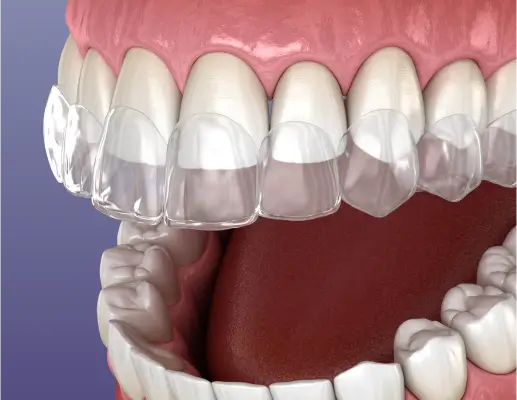
Clear aligners are transparent, removable trays custom-made from smooth plastic. Patients wear each set for about two weeks before switching to the next, moving teeth incrementally. Because they are removable, eating and cleaning teeth remain easier than with braces.

They are discreet, making them popular among adults and teens who want a less noticeable option. However, aligners may not suit very complex dental corrections. Compliance is important—patients must wear aligners 20-22 hours daily for effective results.

Comparison of Treatment Methods

FeatureTraditional BracesClear Aligners
VisibilityHighly visible metal bracketsNearly invisible
RemovabilityFixedRemovable during eating/cleaning
Treatment ComplexityHandles complex casesBest for mild-to-moderate issues
ComfortCan cause irritationSmooth plastic, less irritation
MaintenanceRequires careful cleaningEasier oral hygiene with removal
ComplianceAutomatic wearRequires discipline to wear aligners

Both options apply consistent pressure but differ in convenience and appearance. Consultation in Tracy, CA, helps identify which method fits a patient’s specific dental needs and lifestyle preferences.

Benefits and Drawbacks of Each Option

Choosing between braces and clear aligners involves weighing how each treats dental conditions, their appearance, comfort, and upkeep. Understanding these factors helps patients in Tracy, CA, find the right fit for their lifestyle and dental needs.

Effectiveness for Different Dental Issues

Braces are highly effective for complex dental problems. They can handle severe crowding, significant misalignment, gaps, and bite issues like overbites, underbites, and crossbites. Their fixed placement ensures continuous pressure, which is helpful for tougher corrections.

Clear aligners work best for mild to moderate alignment problems. They are ideal for straightening crooked teeth, closing small gaps, and correcting minor bite issues. However, they may not be suitable for major adjustments or teeth requiring rotation or vertical movement.

Aesthetics and Visibility

Braces are more noticeable due to metal brackets and wires. While some options use clear or ceramic materials to reduce visibility, they still stand out compared to aligners.

Clear aligners are nearly invisible. Made from transparent plastic, they blend with teeth and are easy to remove for eating and cleaning. This makes them a popular choice for adults and teens who want discreet treatment.

Comfort During Treatment

Braces may cause discomfort initially or after adjustments due to tight wires and brackets rubbing against cheeks and lips. Patients may experience soreness but it usually decreases over time.

Clear aligners offer smoother surfaces and fewer irritations to soft tissues. They are removable, so patients can eat without restrictions and maintain oral hygiene more easily, which often leads to a more comfortable experience.

Maintenance and Care

Braces require careful cleaning around brackets and wires to prevent plaque buildup. Certain foods must be avoided to prevent damage, such as sticky or hard items.

Clear aligners need to be cleaned daily and removed before eating or drinking anything other than water. Missing the recommended 20-22 hours of wear per day can delay progress, so patient discipline is key for effective treatment.

Suitability for Different Patients

Choosing between braces and clear aligners depends on several personal factors. Age, daily habits, and how complex the dental corrections are all important to consider. Patient preferences also play a big role in deciding which option feels right.

Age and Lifestyle Considerations

Braces are effective for patients of all ages, but they are often recommended for children and teenagers. Younger patients typically handle braces well because they are less likely to lose aligners and their teeth are still developing, which can make treatment smoother.

Clear aligners work best for adults and older teens who can commit to wearing them at least 20-22 hours a day. They blend well with busy lifestyles since they are removable for eating and special occasions. Those with active jobs or who play contact sports might prefer aligners to avoid potential damage from metal brackets.

Complexity of Dental Needs

Braces are often the go-to for complex dental corrections like severe crowding, large gaps, or bite issues such as overbites and underbites. Their fixed nature gives orthodontists more control to move teeth in precise ways.

Clear aligners handle mild to moderate alignment problems well but may not be suitable for every case, especially severe rotations or major bite corrections. Treatment with aligners can also take longer in complicated cases. An orthodontist’s assessment is crucial to determine which method can best deliver the desired results safely.

Personal Preferences

Some patients choose clear aligners for their discreet look and ease of cleaning teeth. Aligners let patients brush and floss normally, which supports better oral hygiene during treatment.

Others prefer braces because they don’t require daily discipline to stay on schedule. Braces are fixed and work continuously without needing removal, which can appeal to those worried about losing or forgetting their aligners.

Key factors to ask when deciding:

  • How important is invisible treatment?
  • Is the patient disciplined in wearing/removing aligners?
  • What type of dental issue needs correction?

Discussing these points with an orthodontist in Tracy, CA, helps patients feel confident about their treatment choice.

What to Expect During Treatment in Tracy, CA

Starting orthodontic treatment involves clear steps that guide patients through the process smoothly. From the initial consultation to follow-up visits, and the overall timeline, patients experience care tailored to their unique needs in Tracy, CA.

Initial Consultation Process

During the initial consultation, the orthodontist evaluates the patient’s teeth, bite, and jaw alignment. This often includes taking X-rays, photos, and dental impressions or digital scans. These help create a personalized treatment plan.

The orthodontist discusses options like braces or clear aligners, explaining benefits and limitations. They also review the patient’s medical and dental history to ensure safety and effectiveness. Questions are encouraged to help the patient feel confident.

This first visit typically lasts 30 to 60 minutes and sets clear expectations. The patient leaves with a basic idea of the treatment approach, cost estimates, and the next steps for starting care.

Follow-Up Visits and Progress Checks

Follow-up visits are essential for monitoring progress and making necessary adjustments. For braces, this usually means tightening wires, checking brackets, and ensuring movement is on track.

For clear aligners, patients receive new sets every one to two weeks and visit less frequently, about every 6 to 8 weeks, for evaluation. The orthodontist confirms the teeth are shifting correctly and addresses any discomfort.

Each visit is brief, usually 15 to 30 minutes, focused on maintaining treatment momentum. Patients are reminded about oral hygiene and given tips to avoid delays in progress.

Typical Treatment Timeline

Treatment length varies based on case complexity but generally ranges from 6 months to 2 years. Mild alignment issues may resolve faster, especially with clear aligners.

Braces usually require more time as gradual adjustments move teeth carefully to prevent damage. Clear aligners offer a more discreet option but may need stricter patient compliance.

Most patients see noticeable changes within the first few months. Regular check-ins help keep treatment within the planned timeline, adapting as needed for the best outcome.

Cost and Insurance Considerations

Understanding the financial side of orthodontic treatment can help patients make informed choices. The costs for braces and clear aligners vary in Tracy, CA, and insurance often plays a key role in payment options. Long-term value also depends on factors like treatment duration and maintenance needs.

Average Costs in Tracy, CA

Braces typically cost between $3,000 and $7,000 in Tracy, depending on the type—metal, ceramic, or lingual. Clear aligners usually range from $4,000 to $8,000, influenced by the complexity of the case and the number of aligners needed.

Factors like the orthodontist’s experience, office location, and treatment length affect pricing. Metal braces tend to be the most affordable, while clear aligners and lingual braces often carry higher price tags.

Additional fees may include initial consultation, X-rays, retainers, or follow-up visits, so patients should ask for a detailed cost breakdown before starting treatment.

Insurance Coverage and Payment Options

Most dental insurance plans cover at least part of orthodontic treatment, often with a lifetime maximum around $1,500 to $2,500. Coverage can differ for braces versus clear aligners, with some plans favoring traditional braces over newer clear aligner options.

Patients should verify coverage details with their insurer, including waiting periods, age limits, and approval processes. Flexible spending accounts (FSAs) or health savings accounts (HSAs) can help cover out-of-pocket costs using pre-tax dollars.

Payment plans are commonly offered by orthodontic offices in Tracy. These may include no-interest monthly installments or deferred payments, making treatment more manageable without large upfront expenses.

Long-Term Value for Patients

Braces generally require a longer treatment time, often 18 to 36 months, which can mean additional office visits and expenses. Clear aligners typically offer faster results for mild to moderate cases, possibly reducing total costs related to follow-ups.

However, clear aligners rely heavily on patient compliance, which affects outcomes. Poor adherence may lead to extended treatment and added costs that offset initial savings.

Consider maintenance costs, too: braces need regular adjustments, while aligners require a consistent schedule of new trays and retainers afterward. The best choice balances cost, lifestyle, and desired results for lasting value.

Tips for a Smooth Orthodontic Journey

A successful orthodontic treatment depends on good habits, from keeping teeth clean to managing diet and dealing with discomfort. Understanding the specific care needed can help make the process easier and more comfortable.

Oral Hygiene Best Practices

Maintaining excellent oral hygiene is crucial, whether using braces or clear aligners. Braces require careful brushing around brackets and wires. A soft-bristle toothbrush and interdental brushes help remove food particles stuck between and around braces.

For clear aligners, brushing and flossing before putting trays back in prevent bacteria buildup. Cleaning the aligners daily with a gentle, non-abrasive cleaner keeps them clear and fresh.

Using a fluoride toothpaste strengthens enamel during treatment. Regular dental visits support oral health and catch potential issues early.

Eating With Orthodontics

Eating with braces or clear aligners requires attention to avoid damage. Braces users should avoid hard, sticky, or chewy foods like nuts, gum, and caramel, which can break wires or loosen brackets.

Clear aligner users should remove trays before eating or drinking anything other than water. This prevents staining and warping of the aligners.

Cutting food into smaller pieces reduces strain on braces. Drinking plenty of water helps clean away food debris. These steps protect dental appliances and maintain treatment progress.

Handling Discomfort and Emergencies

Discomfort is common after adjustments or switching to a new aligner tray. Over-the-counter pain relievers and rinsing with salt water can soothe sore gums and cheeks.

For braces, orthodontic wax applied to brackets reduces irritation. Loose brackets or poking wires require prompt attention. If a bracket detaches, saving it and contacting the orthodontist helps avoid treatment delays.

Clear aligner users should report cracked or lost trays quickly. A backup set or replacement ensures the teeth stay on track. Knowing how to handle minor issues supports a smoother treatment experience.

Choosing the Right Orthodontic Provider in Tracy

Finding the right orthodontist in Tracy starts with qualifications. Patients should look for providers who are licensed and experienced in both braces and clear aligners. It’s important that they offer a personalized treatment plan based on individual needs.

Comfort and communication matter. A good orthodontist explains options clearly and listens to patient concerns. This makes the process less stressful and helps build trust, which is key for successful treatment.

Consider technology and office atmosphere as well. Modern offices often use digital scans instead of molds, which are faster and more comfortable. Friendly staff and a clean, welcoming space can make visits more pleasant.
Here’s a simple checklist to consider when choosing an orthodontist:

  • Board-certified and experienced
  • Offers both braces and clear aligner treatments
  • Clear communication and patient education
  • Use of modern technology (digital scanning, 3D imaging)
  • Positive patient reviews and testimonials
  • Convenient location and office hours

Patients in Tracy can also ask about payment options and insurance compatibility to ease financial concerns. Visiting for a consultation can give a firsthand feel of the provider’s approach.

Taking these steps helps ensure the chosen orthodontist provides care that fits lifestyle, budget, and treatment goals. Calling or scheduling a visit is usually the best next move.

Taking the Next Step Towards a Healthier Smile

Choosing between braces and clear aligners in Tracy, CA starts with understanding what fits best with your lifestyle and dental needs. Both options work to straighten teeth, but the right choice depends on factors like treatment time, comfort, and appearance.

Seeing a dental professional can clarify these options. They will assess your smile and explain how each method works, what to expect during treatment, and any necessary adjustments along the way.

Here’s a quick comparison to keep in mind:

FeatureBracesClear Aligners
VisibilityVisible metal or ceramicNearly invisible
RemovabilityFixedRemovable for eating & cleaning
ComfortMay cause irritationSmooth plastic, less irritation
Treatment TimeOften 18-24 months12-18 months typical

Making the decision is easier with personalized advice. Talking openly about goals and concerns ensures the treatment feels right.

Encourage anyone considering orthodontic care to schedule a consultation. A friendly dental expert in Tracy can guide them through options and help protect their smile health every step of the way.

Frequently Asked Questions

Choosing between braces and clear aligners involves understanding how each affects treatment goals, comfort, cost, and day-to-day care. Patients often want to know which method fits their age, bite issues, and lifestyle best before making a decision.

How do I decide whether traditional braces or clear aligners are the better fit for my smile goals?

The choice depends on the complexity of your orthodontic needs and your lifestyle. Clear aligners work well for mild to moderate alignment, while braces handle more complex corrections.

Personal preference also matters—braces are fixed and visible, whereas clear aligners are removable and less noticeable.

Am I too old to start treatment with clear aligners, and what results can adults realistically expect?

Age is rarely a barrier for clear aligners. Many adults achieve successful results, correcting common concerns like crowding, spacing, and mild bite issues.

Treatment may take longer for adults than teens, but steady progress is typical with compliance and regular check-ins.

What kinds of bite or spacing problems are better treated with braces than with clear aligners?

Braces are preferred for severe malocclusions such as significant overbites, underbites, crossbites, and teeth that require rotational or vertical movement.

They also excel when complex tooth movements and adjustments to bite alignment are needed.

How much should I budget for clear aligners compared with braces, and what typically affects the final cost?

Cost varies by treatment complexity, duration, and the provider’s experience. Clear aligners often range from $3,500 to $8,000.

Traditional braces can cost similarly but may be slightly higher or lower depending on the type used and treatment length.

Which option is usually more comfortable day to day, and what can I do to manage soreness during treatment?

Clear aligners tend to cause less irritation since they are smooth and removable. Braces may cause soreness due to brackets and wires rubbing against cheeks.

Using orthodontic wax, rinsing with saltwater, and taking over-the-counter pain relievers can ease discomfort for both options.

How do braces and clear aligners compare for eating, brushing, flossing, and keeping my teeth healthy during treatment?

Clear aligners allow you to eat whatever you want since they are taken out to eat. Braces require avoiding sticky or hard foods to prevent damage.

Brushing and flossing are simpler with clear aligners off, while braces need extra care and special tools to clean around brackets and wires effectively.